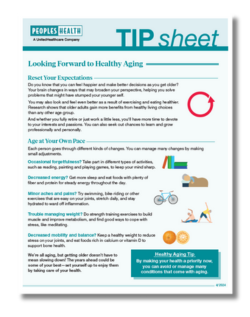
Taking Steps to Protect Women’s Health
Feb 20, 2025

Osteoporosis
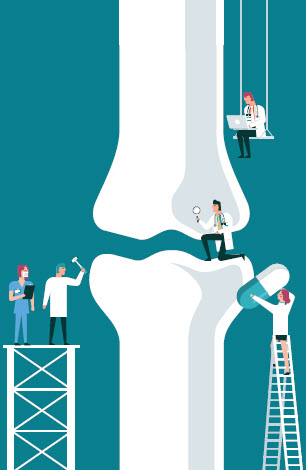
Osteoporosis is a disease that makes your bones weak. Throughout your life, cells in your bones break down and get replaced by new ones. This process slows as you age, making your bones more fragile and meaning your body may lose bone faster than it can replace it. This means a minor fall can result in a broken bone.
Do you know?
• There are 2 million osteoporosis-related bone fractures in the U.S. each year.
• Osteoporosis is more common in women than men and is more common after menopause.
Talk to your doctor today about getting screened for osteoporosis.
Get screened
Many people don’t know they have osteoporosis until they break a bone. Getting frequent bone density screenings can help catch the condition early.
A bone density screening is a painless, quick and effective way to measure the strength of your bones. Here are a few things to know about the test:
• It is recommended for post-menopausal women ages 65 and older.
• Most screenings involve an X-ray or ultrasound of important bone sites like the spine, hip and forearm.
• Your doctor will evaluate your results to determine when or if you should be tested again.
• If your doctor sees signs of osteoporosis, they can help you create a plan to avoid fractures and other complications.
Tips for living with osteoporosis
• Eat foods high in calcium and vitamin D, like milk, yogurt, fish and leafy green vegetables.
• Get at least 30 minutes of physical activity each day. Talk to your doctor about what kind of activity is right for you.
• Avoid secondhand smoke and, if you smoke, talk to your doctor about getting help to quit.
• Limit your alcohol consumption.
• Supplement your diet with calcium and vitamin D pills.
• Talk to your doctor about medications that can help slow the rate of bone loss.
Breast Cancer
Breast cancer is the second most common kind of cancer for women, and risk increases with age. But research shows that early detection can save lives. Regular screenings help catch cancer in its early stages, before it becomes life threatening, increasing your chance of a full recovery.
What can you do?
Have your annual physical exam
Your doctor will perform a clinical breast exam as a part of your visit. You can also discuss your breast cancer risk and any factors that have changed during the year.
Do regular breast self-exams
Be familiar with how your breasts normally look and feel and tell your doctor if you notice changes.
Get a mammogram
Women ages 45 to 74 should get screened once every two years. Women younger or older should talk to their doctor about how often to get a mammogram. If you have a family history of breast cancer, ask your doctor about special screening guidelines.
Prepare for a mammogram:
• Cut back on caffeine the week before; caffeine may increase breast sensitivity.
• Avoid using deodorant, antiperspirant or lotion under your arms or on your breasts.
• Wear a two-piece outfit, since you’ll need to be undressed above the waist.
• Tell your technician ahead of time if your breasts are sensitive.
• If a previous mammogram was uncomfortable, take an over-the-counter pain reliever an hour before.
• Let your technician know if you experience pain or need to pause between images.
Lifestyle tips to reduce your risk
• Physical activity may help you maintain a healthy weight, which can lower your risk. For most healthy adults, at least 150 minutes of moderate activity or 75 minutes of vigorous activity a week, plus strength training at least twice a week, is recommended.
• Limit your alcohol consumption.
• Avoid tobacco. Evidence suggests a link between smoking and breast cancer, especially in premenopausal women.
• If you are taking hormone therapy for menopausal symptoms, ask your doctor about other options or consider using the lowest dose that works for you.
Talk to your doctor today about getting screened for breast cancer and ways to reduce your risk.
WELLNESS EVENTS
Click below for monthly wellness event schedule
RECENT POSTS


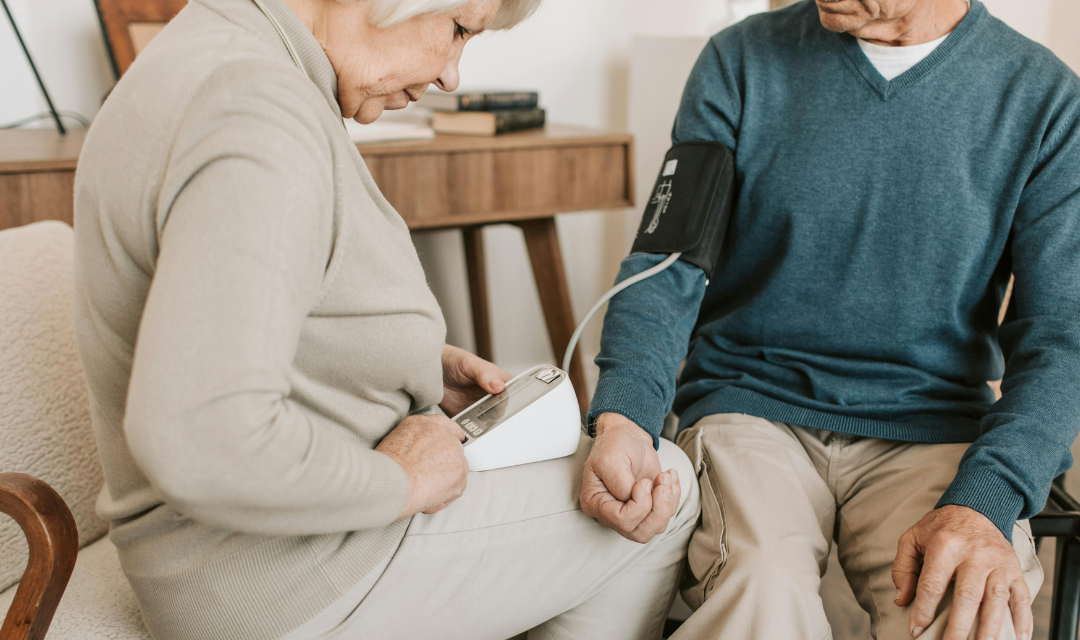
PREVENTIVE CARE CHECKLIST
GUIDE TO HEALTHY AGING